
Comapeño Pepper
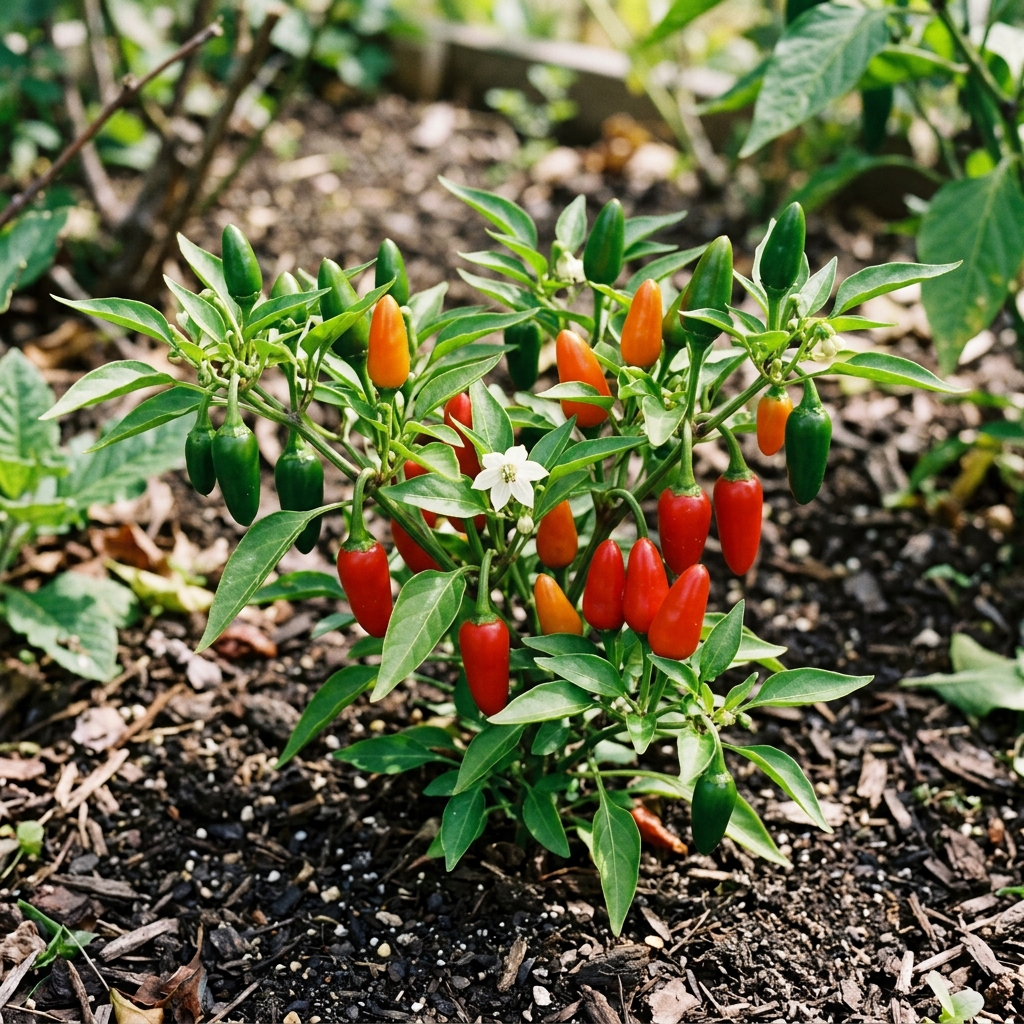
The Comapeño pepper, also known as Chile Comapeño or Chile de Comapa, is a traditional Capsicum annuum landrace originating from the municipality of Comapa in Veracruz, Mexico. This stable, open-pollinated variety develops small, smooth, conical pods with thin walls. As the fruit matures on the plant, it shifts in color from green to shades of orange and bright red.
Categorized as a hot chili, the variety is celebrated for its assertive pungency and distinct transformation during dehydration. When dried, the pods develop a rich smoky flavor and take on a deeper orange-red to reddish-brown tone, serving as a staple ingredient in regional Veracruz salsas and traditional stews.
Origin and Genetics
The Comapeño pepper is an open-pollinated landrace deeply rooted in the agricultural history of Veracruz, Mexico, particularly within and around the municipality of Comapa. Maintained through generations of local seed selection, it remains a stable representative of regional Capsicum annuum diversity.
Botanical Profile
Plants display green foliage and produce standard solitary white flowers typical of the species. The pods emerge with a smooth skin and a distinct conical shape, featuring thin outer walls. Immature fruits begin green before undergoing a gradual color transition to mature orange and red stages.
Heat Profile
The Comapeño is recognized as a hot chili pepper, providing an immediate, sharp pungency that characterizes authentic Veracruz cuisine. While exact Scoville heat units are not formally quantified in standard reference records, its heat delivery is potent and forward.
Flavor and Aroma
Fresh Comapeño peppers deliver a clean, pungent bite suited for raw preparations. However, the variety is particularly notable for developing complex smoky notes when dried, which alters the flavor profile and enhances its depth in cooked applications.
Cultivation
As a traditional open-pollinated variety, the Comapeño pepper thrives in full sun conditions. The thin pericarp of the fruit allows pods to air-dry or sun-dry effectively without spoiling, reflecting its adaptation to local post-harvest handling traditions.
Culinary Applications
Prized in regional gastronomy, Comapeño peppers are commonly consumed both fresh and in their preserved states. The pods are widely used for drying, after which they are rehydrated or ground to form the foundation of rustic table salsas, specialty hot sauces, and traditional slow-cooked Mexican stews.



Leave A Comment