
Okashi
Okashi is a modern hybrid cannabis cultivar that takes its name from the Japanese term for sweets, confections, and candies. Reflecting its dessert-inspired moniker, the strain is distinguished by a sensory profile rich in sweet confectionery notes, creamy dark berry accents, and subtle undertones of sweet gas. Packaged and distributed across regulated markets through brands such as Lunchbox and Fade Co., Okashi has earned a reputation for combining robust potency with dense, resin-encrusted floral structure.
Laboratory analysis and commercial dispensary testing consistently highlight the cultivar’s elevated chemical concentrations, featuring total cannabinoid levels that frequently eclipse 32% alongside rich terpene profiles. In community documentation, Okashi is recognized as a selected phenotype of Crunchberries, offering balanced hybrid characteristics that merge cheerful, mood-elevating cerebral onset with smooth and soothing physical calm.
Origin and Genetics
Okashi originated within the United States, with significant commercial documentation tracing back to the Arizona market under brands such as Lunchbox. In community lineage tracking, Okashi is widely identified as a specialized phenotype of Crunchberries, a cross between Blueberry and Triple OG. While retail dispensary menus frequently list the cultivar under proprietary or undisclosed hybrid designations, its morphological structure, dark floral coloration, and sweet berry-forward aromatic profile strongly mirror its Crunchberries ancestry.
Cannabinoid and Terpene Profile
Independent analytical testing demonstrates that Okashi possesses potent cannabinoid concentrations. A Certificate of Analysis conducted by Level One Labs on indoor cured flower recorded 27.50% total THC (composed of 28.24% THCa and 2.73% delta-9-THC), 0.20% CBG (with 0.94% CBGa), 0.41% CBCa, and a total cannabinoid volume of 32.52%, with CBD falling below quantifiable limits. Broader commercial batch data shows active THC levels generally spanning from 23.36% to 31.92%.
The total terpene content in tested batches has reached 3.14%, driven by a dominant blend of beta-caryophyllene, limonene, humulene, beta-myrcene, and linalool. Secondary terpenes rounding out the chemical profile include alpha-pinene, beta-pinene, bisabolol, camphene, and caryophyllene oxide.
Aroma and Flavor
True to its confectionary namesake, Okashi features an expressive sensory bouquet dominated by sweet, fruity candy and creamy dark berry notes. On the break and grind, the buds release rich layers of ripe fruit complemented by subtle hints of sweet gas and tropical sugar. Inhaled, the flavor delivers a smooth, dessert-like mixture of creamy pastry and candied berries backed by a light, peppery finish provided by caryophyllene.
Reported Effects
Okashi delivers a balanced hybrid experience characterized by an initial euphoric lift that transitions into steady bodily relaxation. Community reviews and consumer feedback describe a rapid onset within 5 to 10 minutes, initiating a cheerful, uplifting head state that alleviates mental tension. As the session progresses over its typical two- to three-hour duration, the physical effects deepen into a soothing, grounded state that may encourage mild drowsiness at higher consumption levels.
Cultivation and Appearance
Cultivation records document Okashi thriving in indoor environments, developing into medium-height plants with a bushy growth habit and sturdy lateral branching. The cultivar responds well to standard hybrid flowering schedules, typically finishing within an 8 to 10-week window (56 to 70 days) with outdoor harvests ready in early to mid-October.
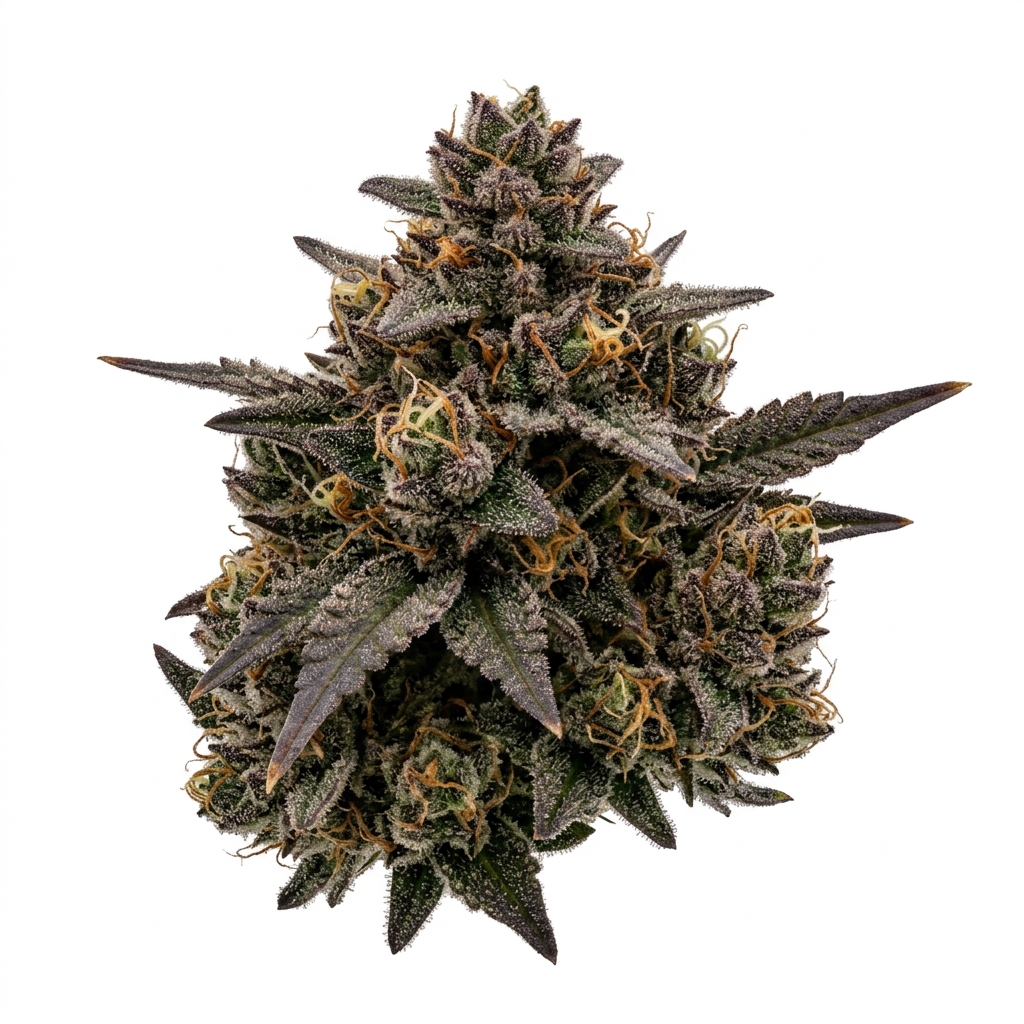
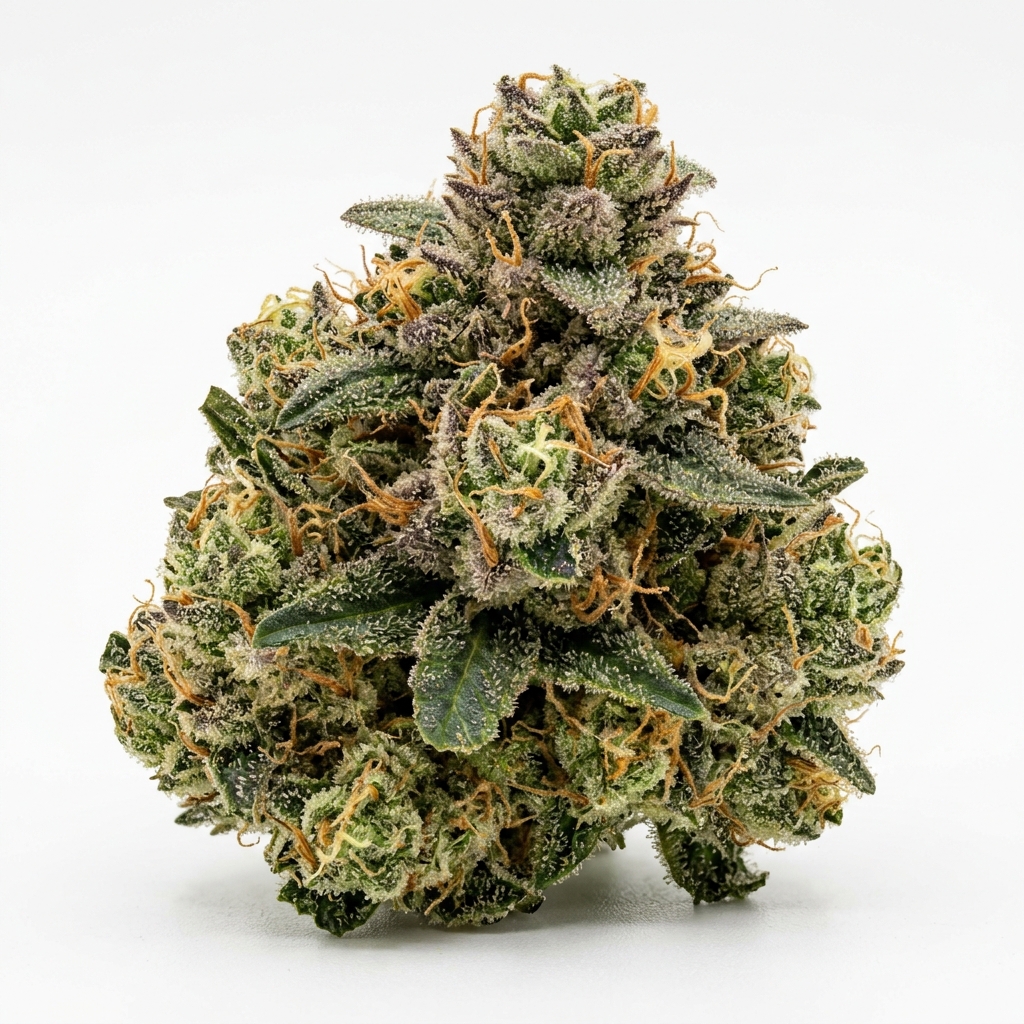
Cured flowers of Okashi are notably dense and compact, displaying deep forest-green calyxes interwoven with rich purple pigmentation. The buds are accented by orange to amber pistils and coated in a heavy, glistening layer of glandular trichomes, yielding exceptional visual bag appeal.
Identity and Evidence Notes
Documentation for Okashi is supported by mixed sources, including third-party laboratory testing, retail menu entries, and regional community reviews. While laboratory data definitively confirms its chemical profile and indoor cultivation suitability, formal genetic confirmation remains split between proprietary brand disclosures and community-established Crunchberries phenotype reporting.



Leave A Comment