

Costoluto Genovese
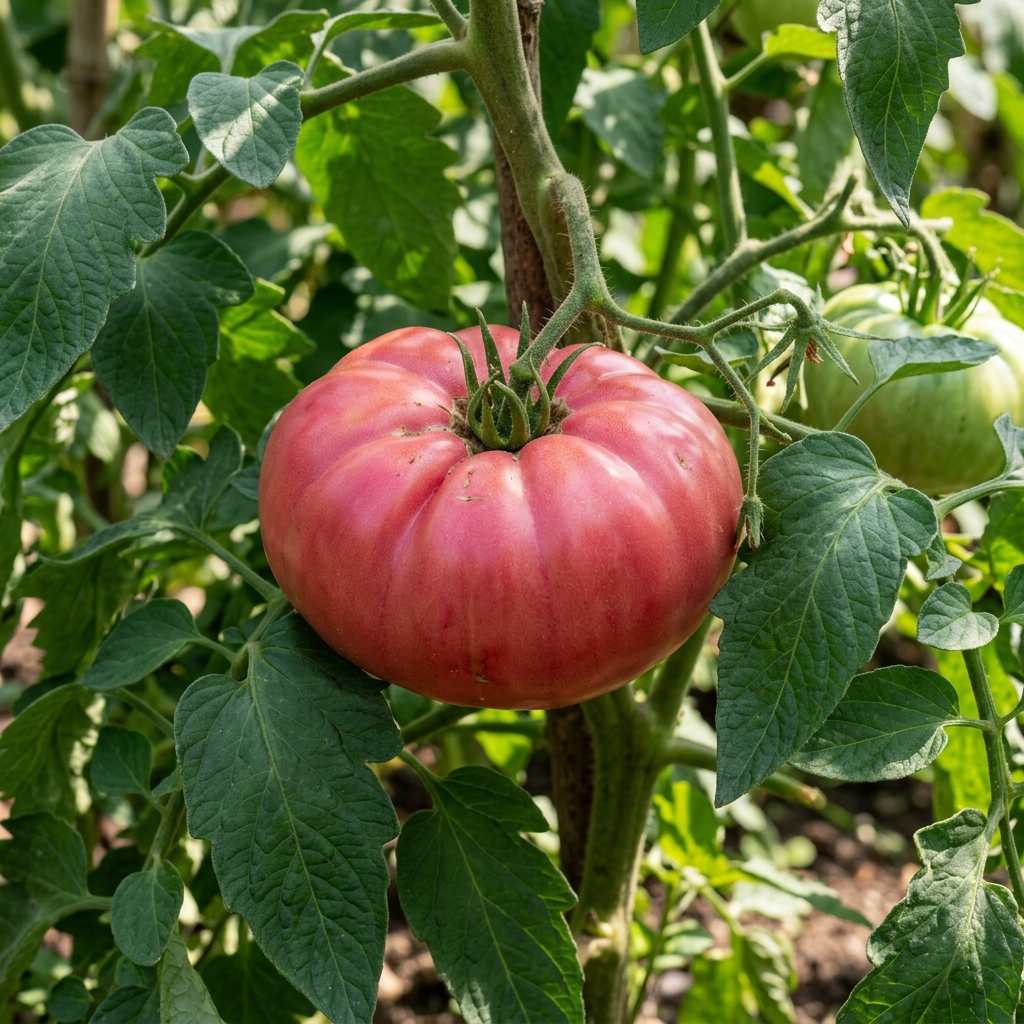
Costoluto Genovese is a classic open-pollinated heirloom tomato (Solanum lycopersicum) originating from the Italian Riviera around Genoa in Liguria. The plant grows as an indeterminate climbing vine featuring regular green foliage and yellow flowers, setting large, flattened beefsteak fruits distinguished by pronounced lobes and deep fluting along the shoulders that transition from green to deep red as they mature.
Celebrated for both its decorative ridged morphology and culinary utility, the cultivar offers meaty red flesh characterized by a rich, high-acidity flavor. Adapted to warm climates with notable heat tolerance, it remains a standard Mediterranean cultivar traditionally utilized for fresh slicing as well as simmering down into rich sauces, pastes, and canned preserves.
Origin and Genetics
Costoluto Genovese is a traditional Italian heirloom originating from Genoa in the Liguria region of Italy, with a lineage dating to the nineteenth century. As a stable, open-pollinated cultivar, it produces true to type when isolated from other tomato varieties during flowering.
It is morphologically related to but distinct from Costoluto Fiorentino, a Tuscan variety that generally displays a slightly flatter profile and differing ribbing patterns.
Botanical Profile
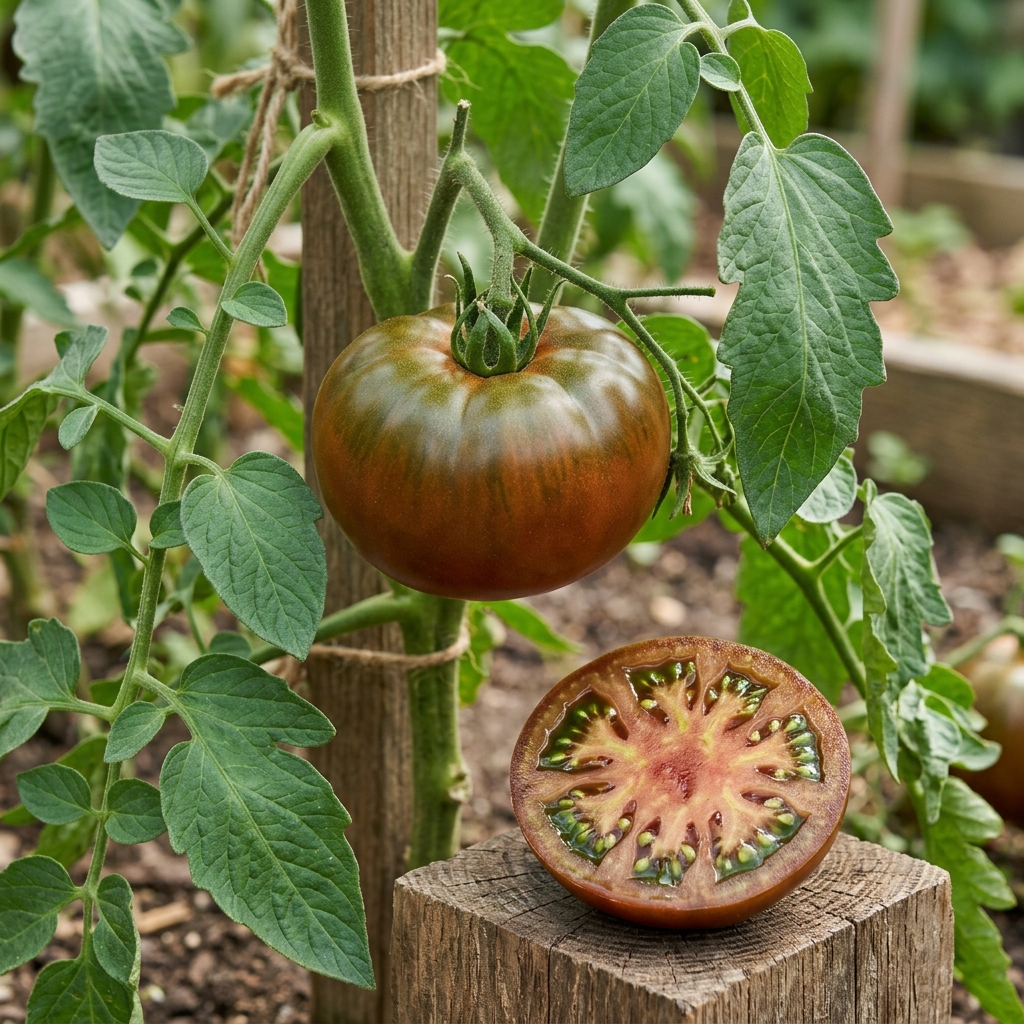
The plant exhibits an indeterminate growth habit with a climbing structure, requiring physical support such as staking or trellising to manage its vigorous green foliage. Its blossoms are standard yellow, giving rise to large beefsteak-type tomatoes with a flattened, heavily ribbed exterior.
The fruit surface is marked by pronounced deep ribbing and fluted lobes. As fruit matures, the skin and flesh transition evenly from green to a solid, deep red. Internally, the fruit possesses a dense, meaty flesh structure well-suited for processing.
Flavor and Aroma
Costoluto Genovese is recognized for its robust, old-fashioned taste dominated by high acidity and tangy richness. Unlike modern sweet cultivars, its sensory profile emphasizes a full-flavored, tart balance that intensifies when cooked.
Cultivation
This variety is suitable for both open-field and greenhouse cultivation in warm climates, demonstrating high heat tolerance reminiscent of its Mediterranean origins. Plants require full sun exposure and reliable support systems to accommodate their climbing habit and moderate yield of large fruit. Gardeners practicing seed saving should provide spatial isolation to preserve the open-pollinated variety’s genetic stability.
Culinary Applications
With its meaty interior and pronounced acidity, Costoluto Genovese is widely used in Italian cooking for sauces, pastes, and purees. Its high juice and acid content reduce efficiently during cooking and canning, yielding rich sauces. Fresh fruits can also be sliced for salads and fresh dishes or roasted, though their lobed internal structure makes them unsuitable for stuffing.



Leave A Comment