

Costoluto Fiorentino
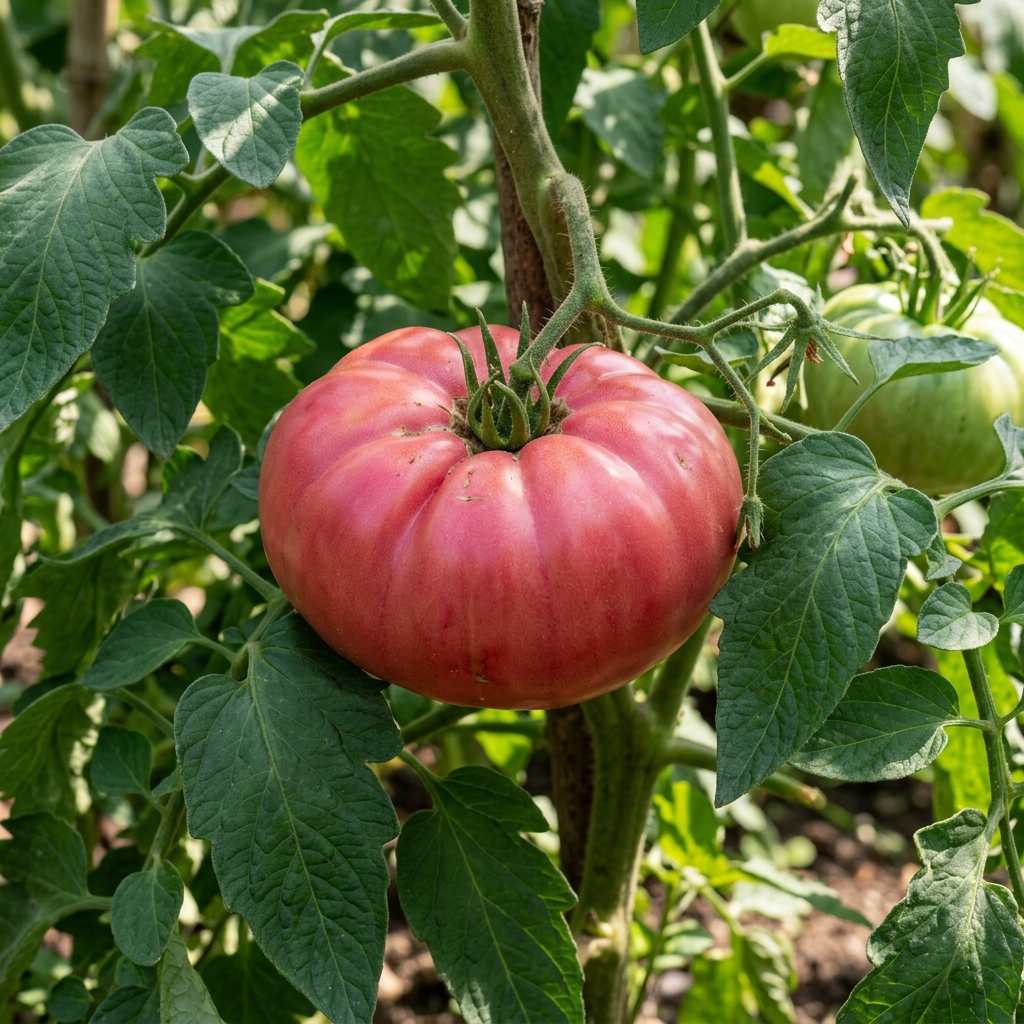
Costoluto Fiorentino is a traditional open-pollinated heirloom tomato (Solanum lycopersicum) originating from the historic agricultural areas surrounding Florence in Tuscany, Italy. Celebrated as an authentic regional landrace, it is characterized by its distinctive flattened, heavily ribbed beefsteak fruits that transition from green to deep red as they ripen on regular-leaf green foliage.
This cultivar is distinguished by its deeply fluted, scalloped lobes and dense, meaty red flesh that delivers a classic savory profile with pronounced acidity. While frequently compared to Costoluto Genovese, the Fiorentino selection produces a noticeably flatter fruit native to Tuscany, making it equally valued for ornamental beauty, fresh slicing, and rich, cooked culinary sauces.
Origin and Genetics
Costoluto Fiorentino is an open-pollinated, genetically stable heirloom landrace originating from Florence, Tuscany, Italy. Cultivated for generations in central Italy, it represents a foundational regional tomato phenotype defined by prominent lobing and deeply scalloped shoulders. It is frequently evaluated alongside Costoluto Genovese, though Costoluto Fiorentino typically yields a flatter, more intensely ribbed fruit true to its Tuscan heritage rather than the Ligurian coastal landrace.
Botanical Profile
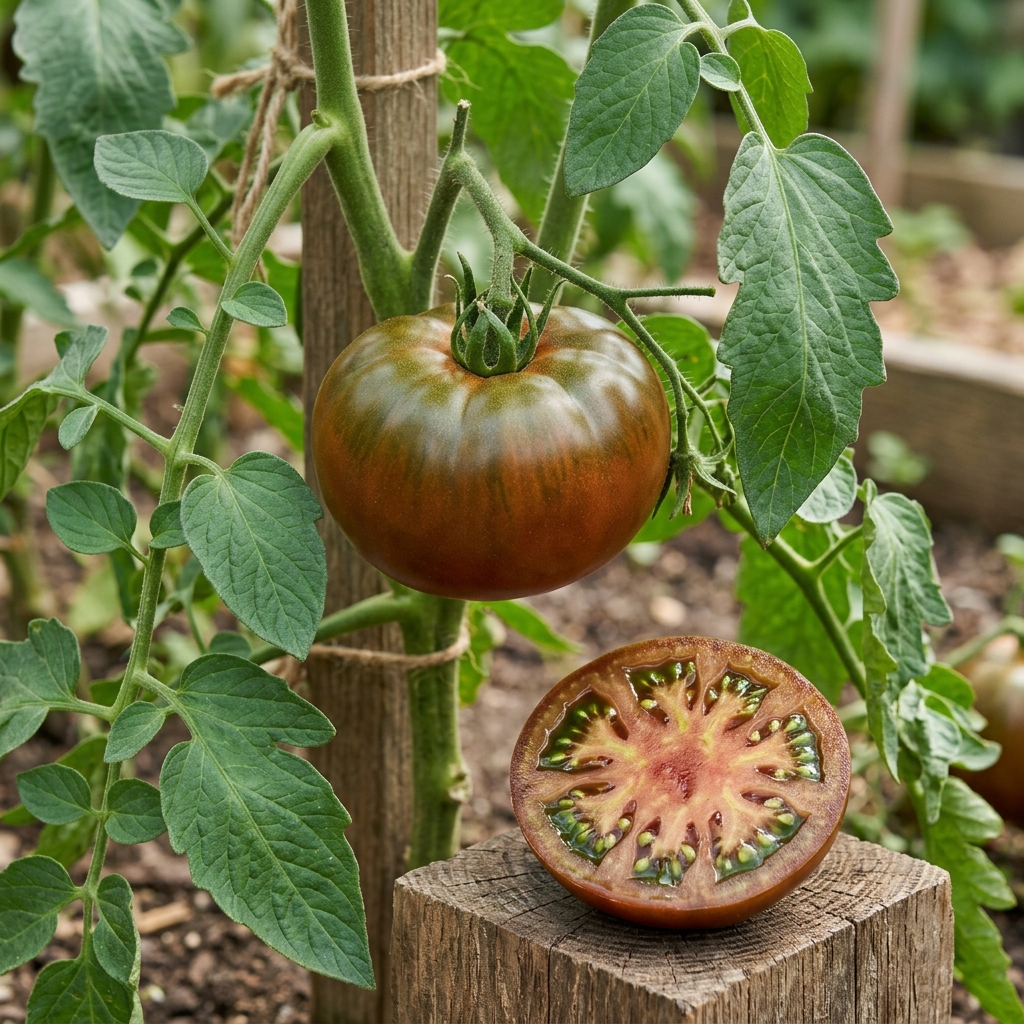
The plant exhibits typical Solanum lycopersicum characteristics, featuring regular green foliage and yellow flowers. The fruits develop as heavily ribbed, oblate beefsteak tomatoes with deeply furrowed shoulders. Immature green fruits ripen evenly into a vibrant red exterior and match a solid meaty red interior. The architectural, multi-lobed shape gives the fruit high ornamental value in addition to its agricultural utility.
Flavor and Aroma
Known for a traditional, full-bodied character, Costoluto Fiorentino features a rich, savory, and acidic flavor balanced by inherent sugars. Its pronounced acidity and robust tomato intensity make it an exemplar of traditional Italian processing and fresh slicing landraces.
Cultivation
As a warm-season crop, this cultivar performs reliably in full sun conditions. Because it is a stable, open-pollinated heirloom, seeds harvested from isolated plants breed true to type, preserving the distinctive fluted morphology across successive generations.
Culinary Applications
The dense, meaty texture and assertive flavor make Costoluto Fiorentino exceptionally versatile in the kitchen. It is widely utilized for fresh slicing, salads, and canning, while its substantial flesh and rich acidity render it ideal for cooking down into concentrated pastes and traditional Italian sauces.



Leave A Comment